Logistics is shifting from stability to flexibility
Traditional, rigid logistics models are gradually being replaced by more flexible and responsive solutions. Modern warehouses and distribution centres must be able to react quickly to market changes, whether driven by seasonal peaks, e-commerce growth, or disruptions in supply chains.
Key priorities now include:
- scalable capacity
- operational process flexibility
- adaptable use of warehouse space
- phased technology expansion
Flexibility starts at the design stage
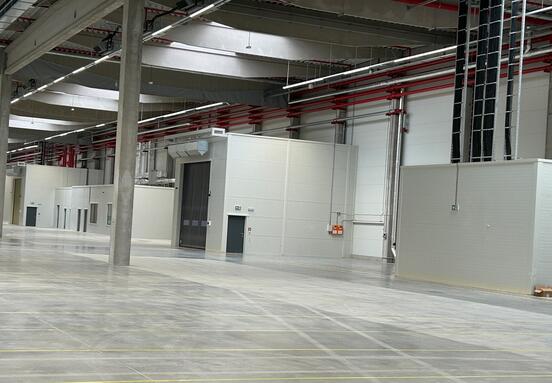
Industry experts agree that real flexibility is not achieved during operations, but already at the design stage of a logistics facility. Layout, infrastructure, and technical readiness determine how easily a warehouse can be adapted in the future.
Well-designed facilities allow:
- capacity expansion without major structural changes
- integration of new technologies over time
- operational adjustments based on tenant needs
On the other hand, rigid designs can lead to costly modifications and operational limitations later on.
Technology as an enabler, not a constraint
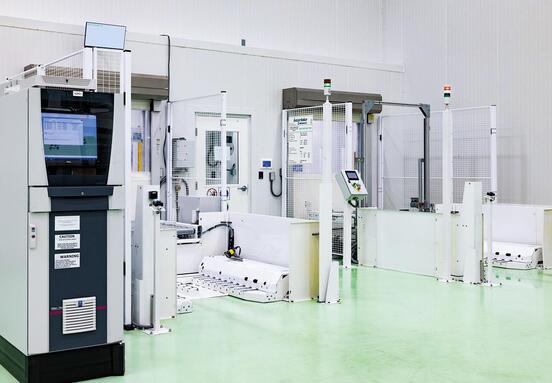
Modern logistics is increasingly driven by technology and data. The current trend is toward modular automation systems that can be expanded and adjusted without disrupting operations.
This includes:
- scalable automation solutions
- flexible software platforms
- seamless system integration
This approach allows companies to invest gradually while still responding to real market developments.
People remain a key part of flexibility
Despite growing automation, the human factor remains essential. Flexible logistics combines technology with manual operations and external services to ensure responsiveness and resilience.
Common approaches include:
- combining automation with manual processes
- using outsourced capacity
- dynamic workforce organisation
The future belongs to adaptable logistics
The development seen in 2026 confirms that flexibility is becoming one of the fundamental pillars of modern logistics. The ability to respond quickly to change increasingly defines market competitiveness.
For the warehouse sector, the conclusion is clear:
???? the most successful projects will be those that can adapt — not those that remain fixed and rigid.