The Robotics Revolution: Shaping Future Business Spaces
As the value of industrial robot installations surges, businesses must proactively consider how these technological advancements impact their physical infrastructure. The integration of cutting-edge robotics is not just about efficiency; it's about future-proofing your investments in office and warehouse space.
The Rise of Intelligent Automation and AI-Driven Spaces
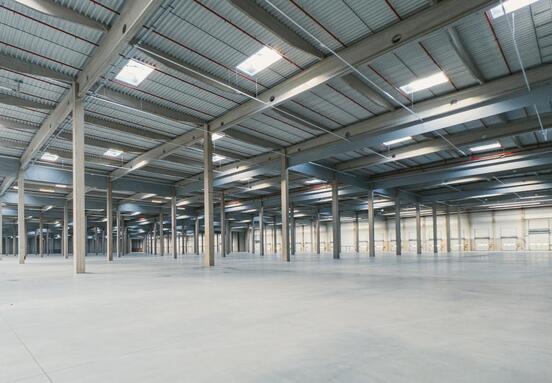
The first major trend is the significant expansion of artificial intelligence and robot autonomy, encompassing analytical, generative, and agent AI. These sophisticated systems are optimizing logistics and manufacturing processes, enabling robots to learn, communicate, and make decisions independently. For businesses, this translates into a demand for smarter warehouses with layouts optimized for automated material handling, intelligent inventory management, and potentially on-site micro-data centers to support complex AI operations. Office spaces will also need to accommodate collaborative environments where human teams work alongside AI-driven planning and management systems.
Seamless Integration: The IT/OT Convergence in Smart Facilities
The second trend highlights the critical convergence of Information Technology (IT) and Operational Technology (OT). This integration facilitates real-time data exchange, advanced analytics, and more flexible control over manufacturing and logistics. For businesses seeking warehouse or office space, this means prioritizing facilities with robust network infrastructure, high-bandwidth connectivity, and the capability to support extensive sensor networks. This is particularly vital for e-commerce fulfillment centers, where rapid data processing and adaptable operations are paramount to meeting customer demands.
Humanoid Robots: Bridging Gaps in Labor and Enhancing Operations
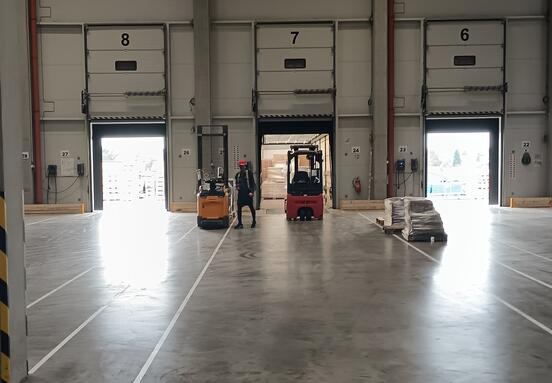
The third trend involves the increasing deployment of humanoid robots, especially in warehousing and manufacturing. These versatile robots can perform delicate manual tasks and address critical personnel shortages. Businesses should seek warehouse spaces designed for human-robot collaboration, featuring appropriate flooring, power infrastructure, and designated zones for both human and robotic workers. This shift can allow for more compact and efficient layouts, reducing the overall footprint required for certain operations.
Prioritizing Security in an Automated World: Protecting Your Data and Assets
As autonomous robots become more prevalent and collect sensitive operational data, the need for enhanced security and cyber resilience intensifies. The fourth trend underscores the importance of protecting these valuable assets and the data they generate. When selecting office or warehouse space, businesses must consider the physical security of their robotic fleet and the cybersecurity measures in place to safeguard proprietary information. This includes secure network architecture, restricted access points, and potentially dedicated, climate-controlled environments for sensitive robotic equipment.
Addressing Labor Challenges Through Strategic Robotization
Finally, robots are emerging as a vital solution to the global shortage of skilled labor. This trend is driving significant investment in robotization, retraining, and upskilling programs. For businesses, this means that investing in robot-ready facilities can mitigate future labor risks, ensuring operational continuity and scalability. Warehouse and office spaces that support easy integration of robotics, offer flexible layouts for evolving automation, and provide areas for technical staff and robot maintenance will be highly valuable in attracting talent and optimizing workforce efficiency.
By understanding these five critical trends, businesses can make informed decisions about their future real estate strategy, ensuring their chosen office or warehouse space is not just a location, but a strategic asset ready for the automated future.
Source: systemylogistiky.cz