Unlike traditional motorsport events, the Shell Eco-marathon rewards teams for travelling the greatest possible distance while using the least amount of energy. This year's competition provided students with an opportunity to showcase a newly developed battery-electric prototype designed to maximise efficiency through lightweight construction, advanced aerodynamics, and intelligent energy management.
Engineering Solutions with Real-World Logistics Potential
Although the project is primarily educational, many of the technologies developed for the competition have practical applications in commercial transport and logistics. Reducing vehicle weight, improving aerodynamic performance, optimising battery management, and collecting real-time operational data are all key factors in lowering energy consumption across freight and last-mile delivery operations.
The new prototype features a redesigned chassis and protective body structure that significantly reduce weight while improving overall efficiency. The students also developed their own battery management system and upgraded the vehicle's telemetry, allowing engineers to monitor performance data in real time and optimise energy usage throughout each race.
Industry Collaboration Supports Innovation
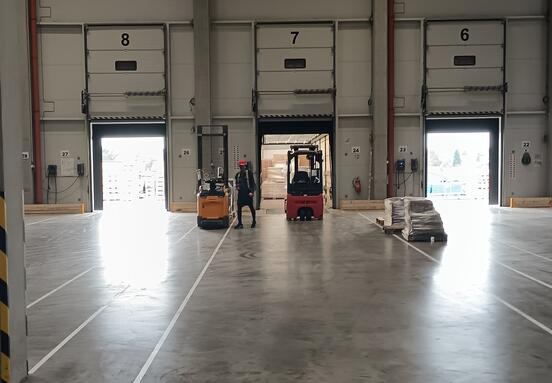
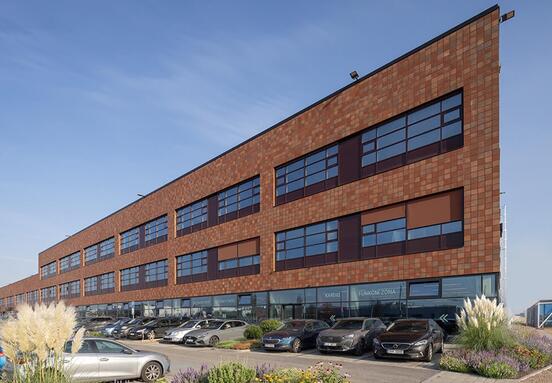
The project is supported by international logistics company Gebrüder Weiss, which has partnered with the student team as part of its commitment to sustainable mobility and technological innovation. The company also provided access to its logistics centre near Prague, where the team conducted initial testing of the vehicle before the competition.
Such collaborations help bridge the gap between academic research and industry, allowing companies to gain early insight into emerging technologies while giving students valuable practical experience.
Driving the Future of Sustainable Transport
As the transport sector continues its transition toward electrification, energy efficiency is becoming just as important as vehicle performance. Advances in lightweight materials, battery management, software optimisation, and data analytics are expected to play an increasingly important role in both passenger and commercial transport.
Projects such as the Green Gliders' electric prototype demonstrate how university research and engineering talent can contribute to the development of cleaner, smarter, and more efficient mobility solutions—innovations that could ultimately benefit the logistics industry by reducing operating costs, improving energy efficiency, and supporting long-term sustainability goals.